Step 1 · Mission selection

Where are we going?

Each destination has its own science goals, budget and engineering challenges. Harder missions pay off with richer science.

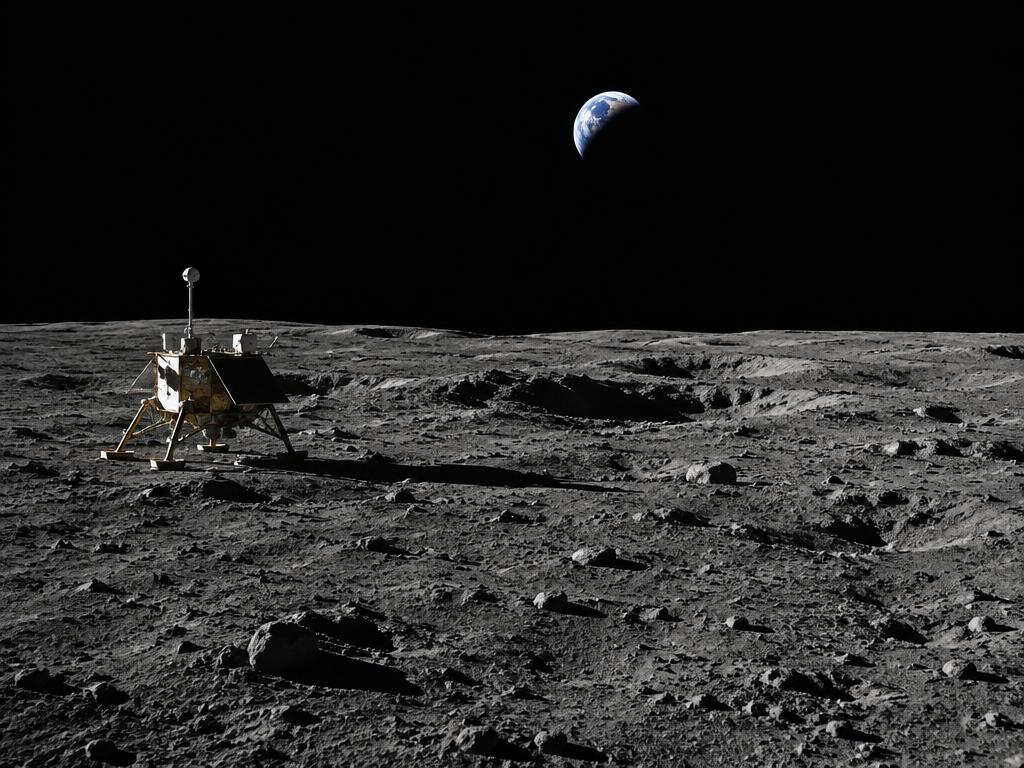
The Moon illustration
Easy
MISSION A

Lunar Explorer

Explore the Moon, analyze lunar soil, and collect scientific data.

Budget
$560M
Distance
384,400 km
Signal delay
1.3 seconds
Duration
~4 months
Science objectives
  • ▸Map the mineral makeup of the lunar soil (regolith)
  • ▸Search for water ice in permanently shadowed craters
  • ▸Measure the extreme day–night temperature swings
Engineering constraints
  • !Surface swings from −170 °C at night to +120 °C by day
  • !14-day lunar nights drain solar-powered craft
  • !No atmosphere — aerobraking is impossible
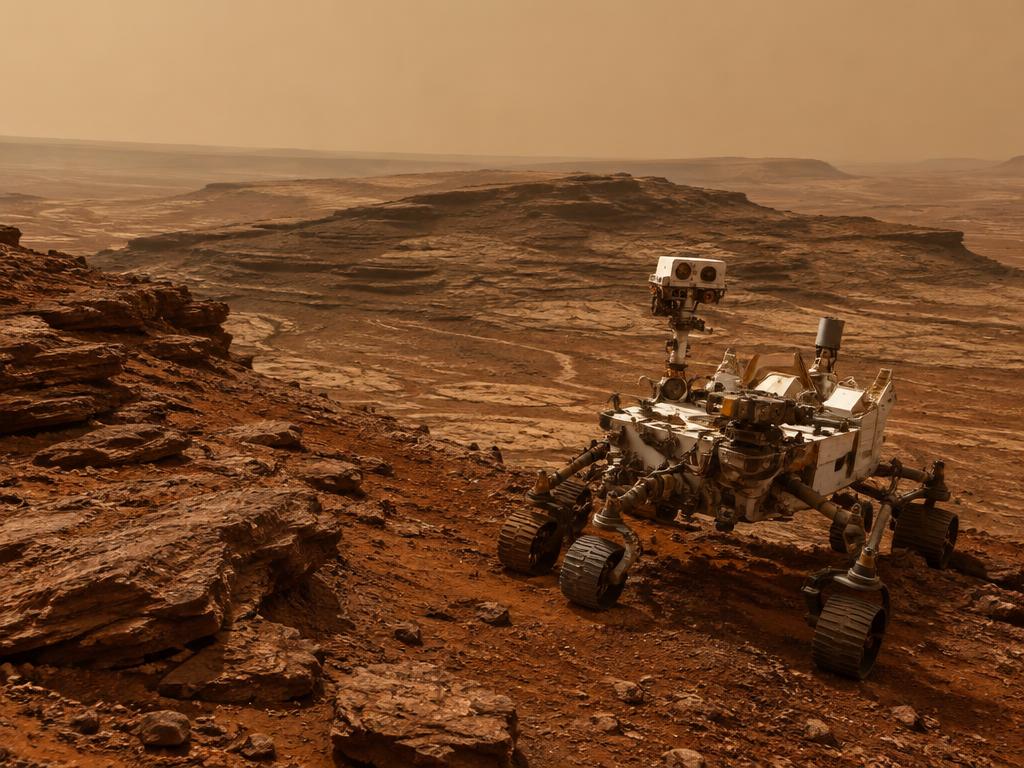
Mars illustration
Medium
MISSION B

Mars Pathfinder

Send a robotic rover to Mars to investigate its surface and search for evidence of past water.

Budget
$820M
Distance
~225 million km
Signal delay
4–24 minutes
Duration
~1.5 years
Science objectives
  • ▸Find ancient river deltas and water-formed minerals
  • ▸Detect buried ice with subsurface radar
  • ▸Study the thin carbon-dioxide atmosphere
Engineering constraints
  • !Sunlight is only 43% as strong as at Earth
  • !Dust storms can bury solar panels for weeks
  • !Signal delays make real-time driving impossible
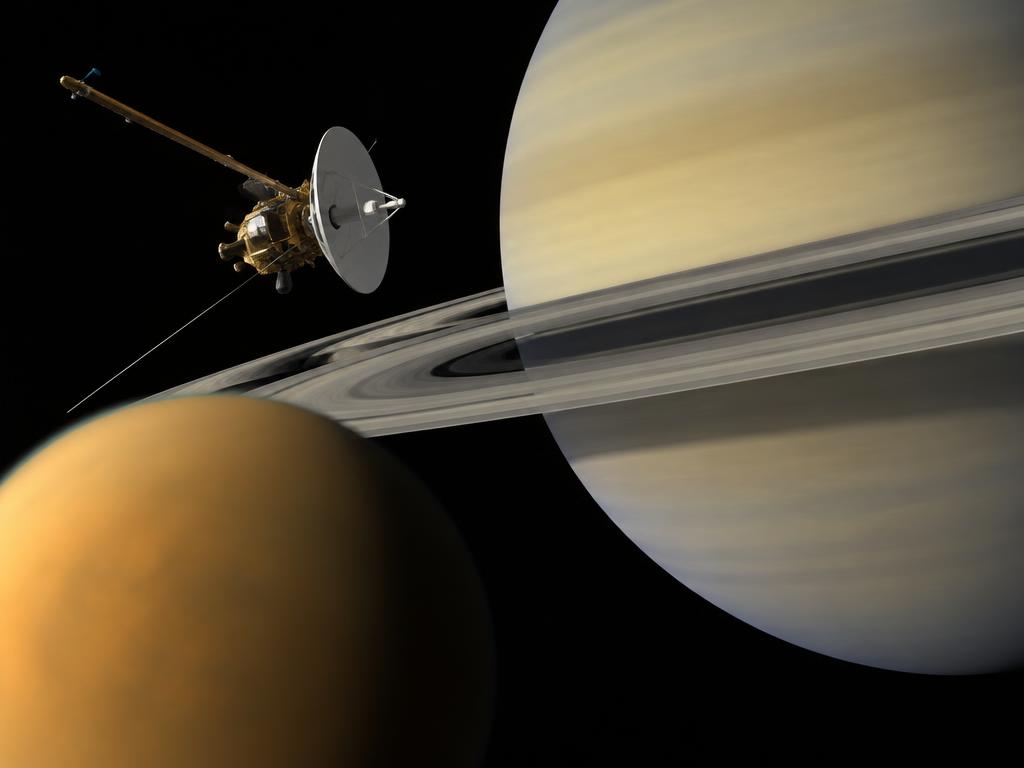
Titan (Saturn) illustration
Hard
MISSION C

Deep Space Voyager

Explore a distant celestial body — Saturn's moon Titan — and collect scientific observations.

Budget
$1300M
Distance
~1.4 billion km
Signal delay
~80 minutes
Duration
~8 years
Science objectives
  • ▸Peer through Titan's thick haze to map its methane lakes
  • ▸Analyze the nitrogen-rich atmosphere for organic chemistry
  • ▸Survive Jupiter's radiation during the cruise
Engineering constraints
  • !Sunlight is ~1% of Earth's — solar panels barely work
  • !Temperatures near −180 °C demand advanced thermal control
  • !Faint signal needs a powerful high-gain antenna